Robotic Hernia Repair
When Does a Robotic Approach Make Sense?
If you’ve been told you have a hernia and need surgery, you may be surprised to learn that there isn’t just one way to repair it.
Open surgery, laparoscopic surgery, and robotic-assisted surgery may all be options depending on the type and size of your hernia, your surgical history, your overall health, and other individual factors.
That often leads patients to an understandable question: “If robotic surgery is available, is that the approach I should choose?”
The answer isn’t always yes. And this is actually an important part of choosing an experienced hernia surgeon.
At Long Island Laparoscopic Doctors, Dr. Hesham Atwa specializes in minimally invasive and robotic hernia repair. He is both a designated Master Hernia Surgeon and Master Surgeon in Robotic Surgery and has performed more than 2,500 robotic procedures. In fact, he wrote a best-selling book on robotic surgery.
But experience with robotic surgery isn’t simply about knowing how to use the technology. It’s also about knowing when it provides a meaningful advantage for a particular patient—and when another surgical approach may make more sense.
First, What Is Robotic Hernia Repair?
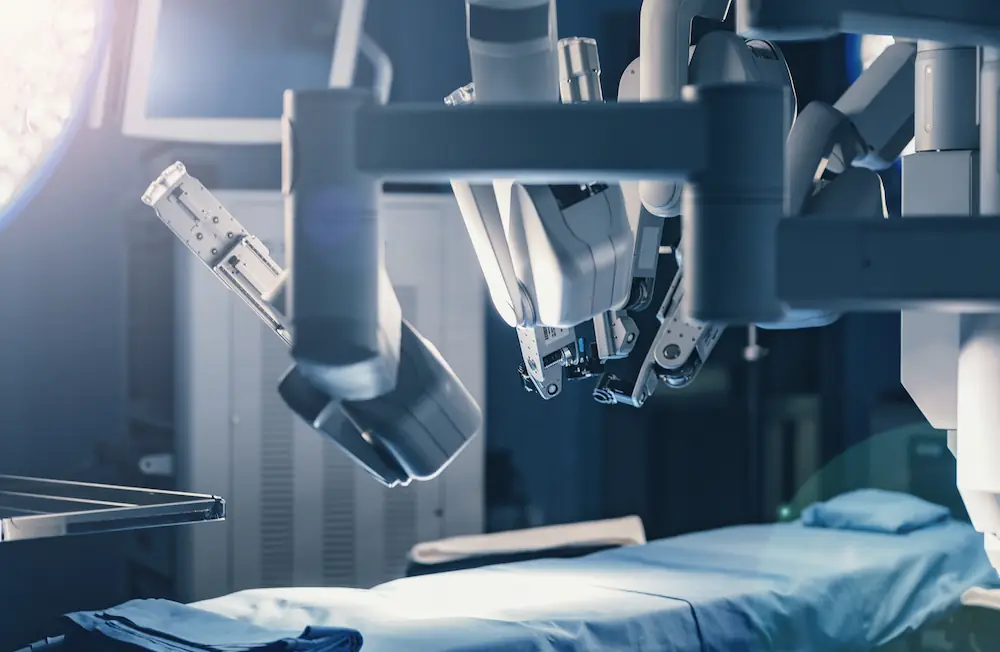
During robotic-assisted hernia surgery, the surgeon makes several small incisions and operates using specialized instruments connected to a robotic surgical system. Despite the name, the robot does not perform the surgery.
The surgeon remains in control throughout the procedure. The robotic system translates the surgeon’s hand movements into precise movements of the surgical instruments while providing a highly magnified, three-dimensional view of the surgical area.
This enhanced visualization, dexterity, and range of motion can be particularly useful when a surgeon is working in confined spaces, carefully separating tissue, or performing precise suturing.
Robotic surgery is still minimally invasive surgery. In fact, the Society of American Gastrointestinal and Endoscopic Surgeons (SAGES) describes robotic inguinal hernia repair as similar to laparoscopic repair, with the primary difference being the robotic-assisted system and instruments used by the surgeon.
When Might a Robotic Approach Make Sense?
There is no single answer because hernias themselves can be very different.
An uncomplicated first-time inguinal hernia is not the same surgical problem as a large incisional hernia after previous abdominal surgery. Likewise, a recurrent hernia may require a very different strategy than a small umbilical hernia.
A robotic approach may be considered for several reasons.
When the Hernia Requires Precise Dissection and Suturing
One of the strengths of a robotic surgical platform is the range of motion available to the surgeon.
Traditional laparoscopic instruments are highly effective, but robotic instruments can provide additional wrist-like movement inside the abdomen. This can help the surgeon carefully manipulate tissue and perform complex suturing in areas that may otherwise be more challenging to access.
This can be particularly helpful for certain abdominal wall and more complex hernia repairs.
When a Patient Has Hernias on Both Sides
A patient may come to the office because of a painful bulge on one side of the groin and discover during evaluation that there is also a hernia on the opposite side. For appropriate patients, a minimally invasive approach can allow the surgeon to evaluate and repair both sides through the same small incisions rather than requiring separate open incisions in each groin.
When the Hernia Has Come Back
A recurrent hernia can be more complicated than a first-time repair. Scar tissue, previously placed mesh, and changes in normal anatomy can make surgical planning particularly important.
For some recurrent hernias, the enhanced visualization and instrument control available with robotic surgery can be useful. However, the previous repair technique and location of the recurrence must be carefully evaluated before deciding which approach is safest.
When Treating Certain Ventral or Incisional Hernias
Ventral hernias occur through the abdominal wall, while incisional hernias develop in an area weakened by a previous surgical incision. These can range from relatively straightforward defects to much more complicated abdominal wall problems.
Minimally invasive robotic surgery may allow the surgeon to close the hernia defect and reinforce the abdominal wall through several small incisions rather than the larger incision that may be required with some open procedures.
SAGES note that minimally invasive ventral hernia repair may offer benefits such as smaller incisions, less postoperative pain, shorter hospitalization, and an earlier return to normal activities compared with open surgery. However, the results and appropriate approach vary according to the patient’s health and the complexity of the procedure.
When Avoiding a Larger Incision May Benefit Recovery
One of the major reasons minimally invasive surgery has transformed hernia care is recovery.
Depending on the procedure and patient, minimally invasive approaches may mean smaller incisions, less postoperative discomfort, shorter hospital stays, and an earlier return to normal activities compared with traditional open surgery.
Many hernia procedures can also be performed on an outpatient basis, allowing patients to return home the same day.
But “minimally invasive” doesn’t automatically mean “robotic.” Both laparoscopic and robotic surgery are minimally invasive techniques, and either may be an excellent choice depending on the circumstances.
Is Robotic Hernia Surgery Better Than Laparoscopic Surgery?
This is where the conversation gets more interesting. Robotic surgery offers surgeons some impressive technological capabilities, including three-dimensional visualization, highly articulated instruments, and enhanced dexterity.
But current research does not show that robotic repair is universally superior to laparoscopic hernia surgery for every patient. Studies comparing robotic and laparoscopic inguinal hernia repair have generally found comparable outcomes in several important areas. Some research has found longer operating times and greater costs associated with robotic procedures, while evidence regarding differences in complications, pain, recurrence, and other outcomes continues to evolve.
That means the better question isn’t necessarily: “Is robotic surgery better?”
It is: “Which approach is best for my hernia, in the hands of my surgeon?”
And that’s a much more useful conversation to have.
“I Thought Robotic Meant Better”
Consider a patient we’ll call David. David is 61 and has an inguinal hernia that has gradually become more uncomfortable when he’s working in the yard or exercising. After researching hernia surgery online, he arrives at his consultation convinced that he wants robotic surgery.
“I’ve read about the robot,” he tells his surgeon. “That’s the newest technology, so that’s what I want.” But instead of immediately agreeing, his surgeon asks questions.
How long has the hernia been present? Has David had previous abdominal surgery? Is the hernia on one side or both? What does his physical examination show? What are his health risks? What does he hope his recovery will look like?
Only then does the discussion turn to the surgical approach. That conversation illustrates something Dr. Hesham Atwa emphasizes in his approach to robotic surgery:
The technology should fit the patient—not the other way around.
When Might Robotic Surgery NOT Be the Best Choice?
Robotic surgery isn’t appropriate for everyone. Previous major abdominal operations, significant scar tissue, certain medical conditions, the size or location of the hernia, emergency circumstances, or other anatomical considerations can influence the surgical approach.
There are also situations in which an open operation may provide the safest or most effective repair. And sometimes laparoscopic surgery can accomplish exactly what is needed without a robotic approach.
That’s why the ability to perform robotic surgery shouldn’t be the only qualification you consider when choosing a hernia surgeon. Ideally, your surgeon should be experienced in multiple approaches and able to select among them based on your individual circumstances.
The Surgeon Behind the Robot Matters
Robotic technology has advanced considerably, but the technology itself doesn’t make surgical decisions. The surgeon does.
Dr. Hesham Atwa brings more than 20 years of advanced laparoscopic, robotic, and general surgery experience to Long Island Laparoscopic Doctors. He is a designated Master Hernia Surgeon and Master Surgeon in Robotic Surgery and has performed more than 2,500 robotic procedures.
Dr. Atwa also serves as Director of Robotic Surgery at St. Charles Hospital and has served as a robotic surgery proctor, helping train other surgeons in robotic techniques. His hernia expertise includes inguinal, umbilical, ventral, incisional, hiatal, femoral, and complex recurrent hernias.
His experience with robotic surgery also extends beyond the operating room. Dr. Atwa has authored a published surgical textbook chapter on robotic hernia repair and is the author of Robotic Surgery Mastery, a book written to help other surgeons improve their robotic surgical proficiency, efficiency, and technique.
That depth of experience matters because successful robotic surgery isn’t simply about having access to advanced technology. It is about understanding how (and when) to use it.
Questions to Ask Before Hernia Surgery
If you’re considering hernia repair, don’t hesitate to ask your surgeon:
- What type of hernia do I have?
- Does it need to be repaired now, or is monitoring appropriate?
- Would you recommend open, laparoscopic, or robotic repair for me?
- Why do you recommend that particular approach?
- Will mesh be necessary?
- How much experience do you have performing this type of repair?
- What should I expect during recovery?
- What is the likelihood that my hernia could recur?
An experienced surgeon should be comfortable discussing the benefits and limitations of each option.
Robotic Surgery Is a Tool. Experience Determines How It Is Used.
Robotic-assisted surgery has expanded what surgeons can accomplish through minimally invasive techniques and can be an excellent option for many hernia patients. But the goal shouldn’t be to choose robotic surgery simply because it is advanced technology.
The goal is to choose the right repair, using the right approach, for the right patient.
At Long Island Laparoscopic Doctors, Dr. Hesham Atwa and his team evaluate each patient’s hernia individually and recommend robotic, laparoscopic, or open repair based on the type and complexity of the hernia, previous surgical history, overall health, and other important factors.
If you have been diagnosed with a hernia (or you’ve noticed a new bulge, pressure, or discomfort in your abdomen or groin) schedule a consultation with Long Island Laparoscopic Doctors to learn more about your treatment options.
References:
1. Society of American Gastrointestinal and Endoscopic Surgeons (SAGES). Inguinal Hernia Repair Surgery: Patient Information. Updated May 2026.
2. Society of American Gastrointestinal and Endoscopic Surgeons (SAGES). Ventral Hernia Repair Surgery: Patient Information. Updated May 2026.
3. Khewater T, Al Madshush AM, Altidlawi MI, et al. Comparing Robot-Assisted and Laparoscopic Inguinal Hernia Repair: A Systematic Review and Meta-Analysis. Cureus. 2024;16(5):e60959.