What Happens When You Stop Taking a GLP-1 Medication?
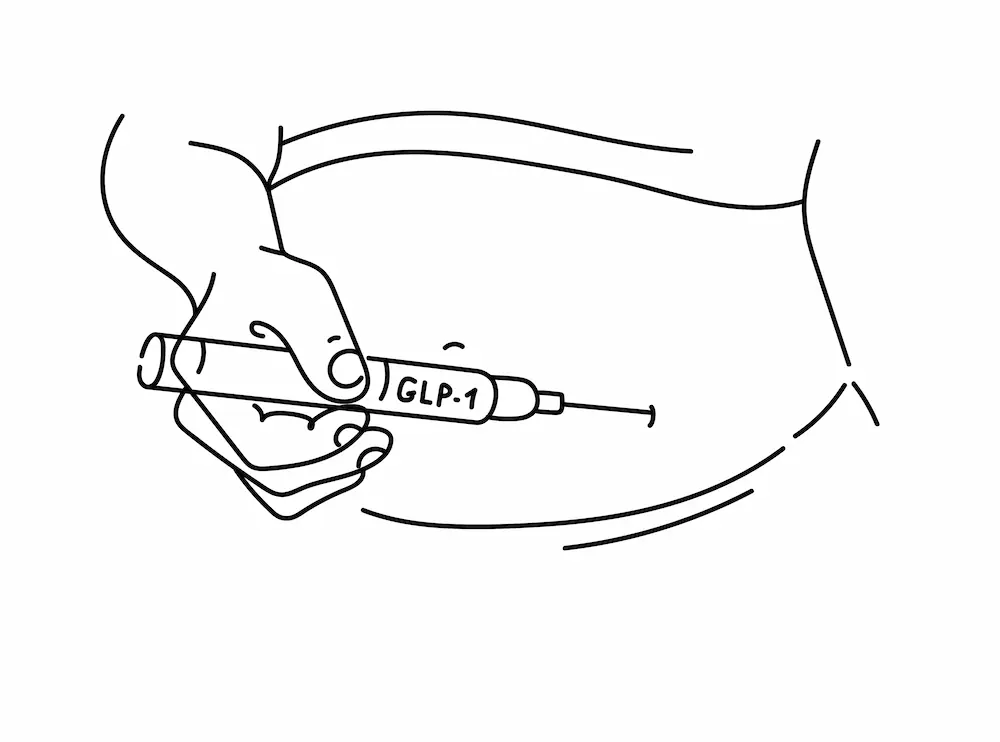
No matter the reason, the key is to transition with a plan.
GLP-1 medications such as Ozempic®, Wegovy®, Mounjaro®, and Zepbound® continue to grow in popularity among patients in Long Island and throughout New York. But one of the most common questions we hear at Long Island Laparoscopic Doctors is:
“What actually happens if I stop taking my GLP-1 medication?”
If you’re currently on a GLP-1 or thinking about transitioning off one, understanding the effects is essential, especially if you’re exploring long-term weight management or bariatric surgery options.
Your Appetite Often Increases Again
GLP-1 medications help reduce appetite by slowing digestion and influencing hunger hormones. When the medication is discontinued, hunger often returns more quickly, cravings may intensify, feelings of fullness after meals can fade, and portions may feel less satisfying.
For many patients, these changes can make it difficult to maintain prior weight loss without a structured plan in place, highlighting the importance of medical guidance, nutrition support, and long-term weight management strategies.
Weight Regain Is Common
One of the most important things Long Island patients should understand is that stopping a GLP-1 medication frequently results in weight regain. This can be true even when lifestyle habits remain consistent.
Research shows that stopping semaglutide is commonly associated with weight regain and a loss of metabolic benefits. In a large clinical follow-up study, patients who discontinued semaglutide therapy regained approximately two-thirds of the weight they had lost within one year. Along with weight regain, many participants experienced a decline in blood sugar control and cholesterol improvements, as well as a marked increase in appetite and hunger signals, reinforcing that obesity is a chronic condition that often requires ongoing management rather than short-term treatment.1
If weight regain is already occurring, explore whether you may be a candidate for our Medical Weight Loss Program or Bariatric Surgery Options.
Blood Sugar Levels Can Rise Again
GLP-1 medications are powerful tools for improving glycemic control in type 2 diabetes. When they are discontinued:
- A1C levels often rise
- Fasting blood sugar may increase
- Diabetes symptoms may return
Thus, for patients with Type 2 diabetes, stopping a GLP-1 without an alternative treatment plan can increase the risk of worsening blood sugar control, making close medical supervision and proactive adjustments essential.2
Digestion Speeds Back Up
Once you discontinue a GLP-1, your digestive system returns to its baseline rhythm:
- Food empties from the stomach more quickly
- Earlier hunger cues return
- Cravings may become harder to control
Many patients find it helpful to follow structured eating guidance like the one outlined in our nutritional support program..
Energy and Motivation May Fluctuate
Some patients report:
- Increased fatigue
- Irritability
- Mental distraction
- Decreased enthusiasm for routine habits
These symptoms often relate to changes in appetite hormones and blood sugar stability.
If you need support maintaining momentum, our team can help guide you step-by-step.
What Should You Do If You Need to Stop a GLP-1?
People discontinue medication for many reasons such as cost, insurance denials, shortages, plateaus, or side effects. No matter the reason, the key is to transition with a plan.
At Long Island Laparoscopic Doctors, we help you:
- Reduce rebound hunger
- Prevent rapid weight regain
- Stabilize blood sugar patterns
- Build sustainable habits
- Explore non-medication approaches
- Evaluate whether you qualify for bariatric surgery
- Determine if a revision surgery is appropriate if regain is significant after previous weight loss surgery
If you’re unsure whether GLP-1 therapy, surgery, or a combination is best for you, our team is here to help you create a personalized long-term strategy.
We proudly support patients throughout:
- Suffolk County
- Nassau County
- Long Island
- Queens / Brooklyn (surrounding areas)
Whether you’re taking a GLP-1, transitioning off one, or considering surgical treatment, you can easily ask questions or schedule a consultation with Dr. Hesham Atwa or one of his excellent colleagues at Long Island Laparoscopic Doctors about your best next step.
References
1 Rubino D, et al. Withdrawal of semaglutide and subsequent weight regain. Diabetes Obesity and Metabolism (2022).
https://pmc.ncbi.nlm.nih.gov/articles/PMC9542252/
2 JAMA Network Open. Patterns of discontinuation in GLP-1 agonists. 2024.
https://jamanetwork.com/journals/jamanetworkopen/fullarticle/2829779