Do I Need Surgery for Diverticulitis?
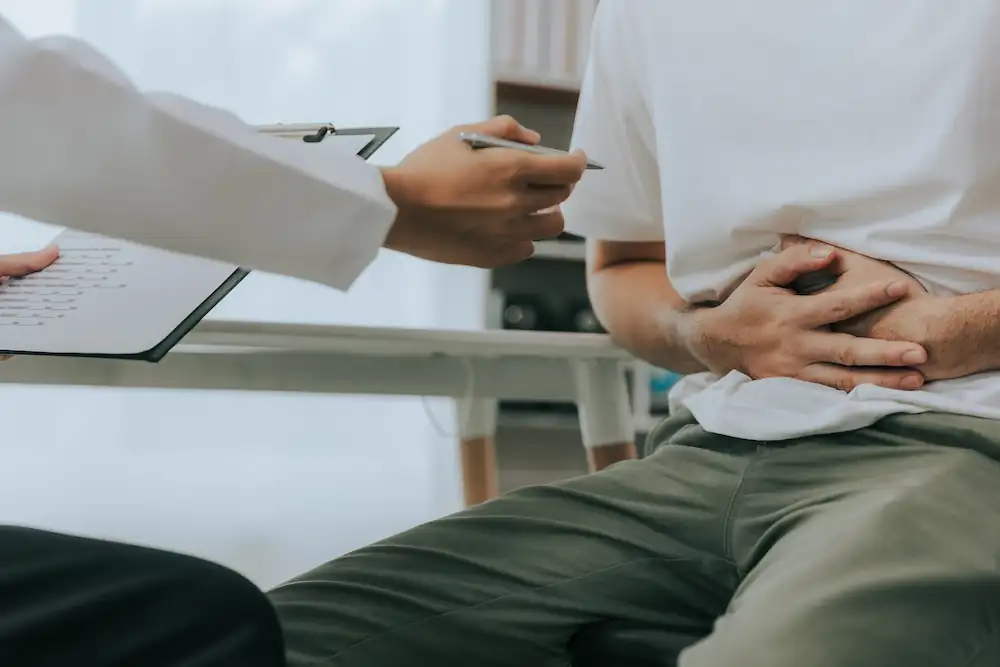
Understanding when surgery is necessary – and when it isn’t.
Hearing the words “You have diverticulitis” can be overwhelming. For many people, one of the first thoughts is, “Does this mean I’m going to need surgery?” The reassuring news is that the answer is usually no.
Most people diagnosed with diverticulitis recover without ever needing an operation. However, there are situations where surgery becomes the safest and most effective treatment. Understanding the difference can help ease anxiety and give you confidence as you navigate your treatment options.
At Long Island Laparoscopic Doctors, Dr. Hesham Atwa believes every patient deserves an individualized treatment plan. Rather than relying on a one-size-fits-all approach, he carefully evaluates your symptoms, imaging, overall health, and quality of life before recommending surgery.
Understanding Diverticulitis
To understand when surgery may be necessary, it helps to know what’s happening inside the colon.
Many adults develop diverticulosis, a condition in which small pouches, called diverticula, form in weak areas of the colon wall. These pouches most commonly develop in the sigmoid colon which is the lower portion of the large intestine. Diverticulosis becomes increasingly common with age, and most people never experience symptoms or even realize they have it.
Diverticulitis occurs when one or more of these pouches becomes inflamed or infected. This inflammation can cause persistent abdominal pain (typically on the lower left side) along with fever, nausea, tenderness, and changes in bowel habits. When this happens, it’s important to seek medical evaluation so treatment can begin before complications develop.
The Good News: Most People Don’t Need Surgery
For a first episode of uncomplicated diverticulitis, treatment is usually conservative. “Uncomplicated” means the inflammation has not caused an abscess, perforation, bowel obstruction, or widespread infection.
Most patients improve with a combination of rest, dietary modifications, close medical follow-up, and, when appropriate, antibiotics. Many recover within a few days and never experience another flare-up.
Perhaps the biggest change in diverticulitis care over the past decade is that surgery is no longer routinely recommended after a first episode. Instead, today’s treatment guidelines emphasize individualized decision-making, helping patients avoid unnecessary surgery while still providing timely intervention for those who truly need it.
Treatment and Prevention: Reducing Your Risk of Complications
For patients recovering from diverticulitis, or those hoping to reduce their risk of a future episode, diet plays a central role in day-to-day management. Usually the following recommendations will help support colon health and reduce the risk of complications:
- Aim for 35 to 40 grams of fiber a day, gradually increasing intake through diet to give your digestive system time to adjust
- Take a daily fiber supplement, such as Metamucil, to help maintain regular bowel movements and reduce pressure within the colon
- Avoid eating corn, to help reduce the risk of recurrence and complications
Along with staying hydrated and physically active, these habits can go a long way toward reducing the frequency and severity of diverticulitis flare-ups. As always, it’s best to review any dietary changes with your doctor to make sure they fit your individual health needs.
When Surgery Becomes the Right Choice
While surgery isn’t necessary for most patients, there are situations where it becomes the safest and most effective treatment. Dr. Hesham Atwa may recommend surgery for patients who develop:
- Recurrent diverticulitis that significantly affects quality of life
- An abscess that does not resolve with drainage and antibiotics
- A fistula or narrowing (stricture) of the colon
- A bowel obstruction or perforation
- Infection that continues to worsen despite medical treatment
Current guidelines from the American Society of Colon and Rectal Surgeons emphasize that the decision for elective surgery should be individualized. Rather than simply counting the number of flare-ups, physicians now consider factors such as a patient’s age, overall health, recovery between episodes, imaging findings, and how much diverticulitis is interfering with daily life.
What Does Diverticulitis Surgery Involve?
When surgery is necessary, the goal is typically to remove the diseased portion of the colon (most commonly the sigmoid colon) and reconnect the healthy ends of the intestine.
Whenever appropriate, Dr. Hesham Atwa performs colorectal procedures using minimally invasive robotic surgery. Unlike traditional open surgery, which requires a larger abdominal incision, robotic-assisted surgery allows the surgeon to operate through several small incisions using highly precise instruments and a magnified, three-dimensional view of the surgical area.
For appropriately selected patients, minimally invasive surgery may offer several advantages, including:
- Smaller incisions and less postoperative discomfort
- Reduced blood loss
- Shorter hospital stays
- Faster recovery and return to everyday activities
It is important to understand that the robot does not perform the operation. The surgeon remains in complete control of the procedure and directs every movement of the robotic instruments. The technology simply provides the surgeon with enhanced visualization, precision, and range of motion.
Not every patient with diverticulitis is a candidate for robotic surgery. Previous abdominal operations, extensive inflammation, complications, or an emergency situation may require a different surgical approach. This is another reason individualized surgical evaluation is so important.
Experience Matters When Surgery Is the Right Choice
When an operation involves the colon, both the surgical approach and the experience of the surgeon performing it matter.
Dr. Hesham Atwa brings more than 20 years of experience in advanced laparoscopic, robotic, and general surgery to his patients. He is a designated Master Surgeon in Robotic Surgery, serves as Director of Robotic Surgery at St. Charles Hospital, and has served as a robotic surgery proctor, helping other surgeons develop their skills in robotic techniques. He is also the author of Robotic Surgery Mastery, a book designed to help surgeons improve their proficiency and efficiency with robotic procedures.
This extensive experience is particularly valuable when treating conditions such as diverticulitis, where inflammation, scar tissue, or previous episodes can sometimes make colorectal surgery more complex.
But experience also means knowing when not to operate.
Dr. Hesham Atwa’s approach begins with determining whether surgery is truly necessary. If conservative treatment remains the safest and most appropriate option, surgery may not be recommended. If an operation does become the best path forward, he can then determine whether a minimally invasive robotic approach is appropriate based on the patient’s individual condition, anatomy, health, and surgical history.
Summary
A diagnosis of diverticulitis does not automatically mean surgery is in your future.
For most patients, conservative treatment is all that’s needed to recover and return to normal life. However, when diverticulitis becomes severe, repeatedly interferes with quality of life, or causes complications, surgery may provide lasting relief and help prevent more serious problems.
The most important decision isn’t simply whether you’ve had diverticulitis before. It’s determining what treatment makes the most sense for you.
If you’ve experienced recurrent diverticulitis, have been told you may need colon surgery, or simply want to better understand your options, a consultation with Dr. Hesham Atwa and the team at Long Island Laparoscopic Doctors can provide answers. Dr. Atwa can review your history, symptoms, and imaging, discuss both surgical and nonsurgical options, and help you determine the best path forward for your long-term health. You can learn more or schedule an appointment at https://www.journeytothenewyou.com
References:
- Hall J, Hardiman K, Lee S, et al. The American Society of Colon and Rectal Surgeons Clinical Practice Guidelines for the Treatment of Left-Sided Colonic Diverticulitis. Diseases of the Colon & Rectum. 2020;63(6):728–747.
- National Institute of Diabetes and Digestive and Kidney Diseases (NIDDK). Diverticular Disease: Definition & Facts. National Institutes of Health. Last reviewed August 2021.